
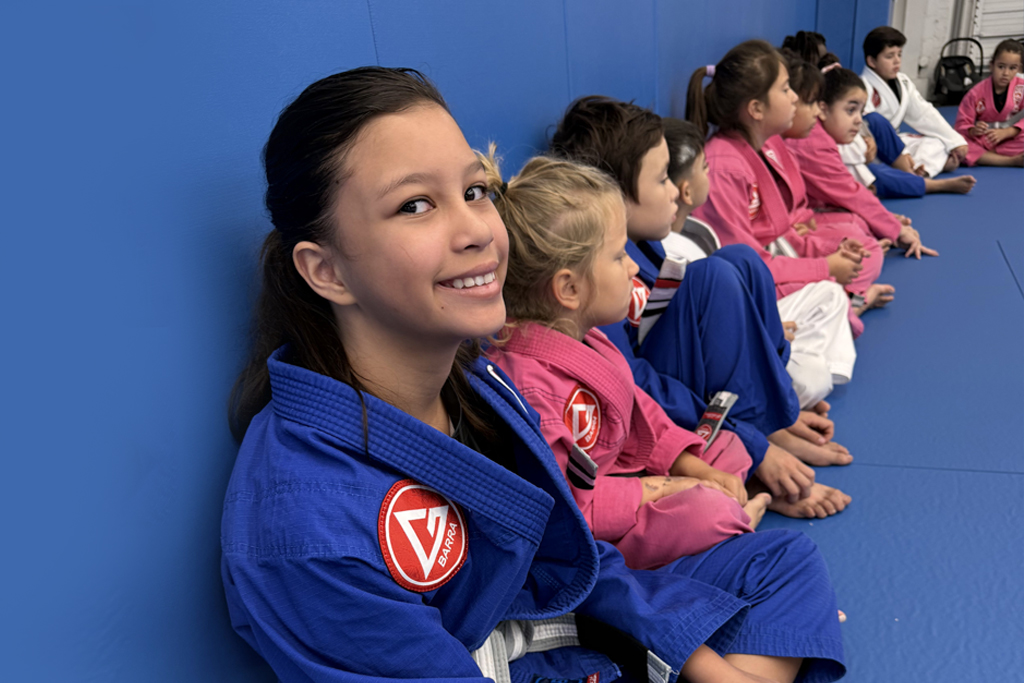
If you’re looking for martial arts for kids in North Charleston, there are several things to consider before choosing a program.
The martial art itself matters, but so do the instructors, the structure of the classes, the learning environment, and whether the program is actually designed for your child’s age and stage of development.
For many families, Brazilian Jiu-Jitsu stands out because it combines physical activity, practical self-defense, problem-solving, and character development in a structured environment where children learn alongside their peers.
If you’re still comparing different options, start with what is the best martial art for kids?.
What should parents look for in a kids martial arts program?
Choosing a martial arts program involves more than deciding between Jiu-Jitsu, Karate, Taekwondo, or another style.
Parents should also consider the environment where their child will be learning and how involved the school is in their development over time.
Before choosing a school, ask:
Are classes designed specifically for children?
Are students grouped appropriately by age and experience?
Do the instructors know how to teach kids?
Is there a structured curriculum?
Is safety a clear priority?
How does the school respond when a child struggles or becomes frustrated?
Does the environment encourage respect and cooperation?
Does the school keep parents informed about their child’s progress, not only in Jiu-Jitsu, but also in areas such as confidence, focus, behavior, communication, and social skills?
A children’s martial arts program should not simply be a smaller version of an adult class. The way children learn, communicate, and respond to challenges changes as they grow, and the program should reflect that.
Parents should also feel part of that process. Regular communication between instructors and families can help parents understand how their child is progressing, where they may need additional support, and how lessons developed on the mats are beginning to show up beyond Jiu-Jitsu.
What can children learn from martial arts?
Physical activity may be one reason families begin looking for martial arts, but what children learn can extend well beyond movement and technique.
During training, children regularly encounter situations that ask them to listen, focus, cooperate, solve problems, accept corrections, and keep trying when something doesn’t work the first time.
Over time, martial arts can provide opportunities to develop:
Discipline;
Focus;
Perseverance;
Cooperation;
Respect;
Responsibility;
Confidence.
These lessons aren’t taught through a single speech or exercise. They are practiced through the everyday experience of learning.
To understand more about this side of training, read Beyond the mats: how martial arts helps children grow.
Why consider brazilian jiu-jitsu?
Brazilian Jiu-Jitsu is primarily a grappling martial art. Instead of focusing mainly on punches and kicks, students learn to use movement, positioning, leverage, and control.
Children also spend a significant part of their learning experience interacting with training partners. They have to listen, communicate, adapt, and solve problems while following clear rules.
This makes Jiu-Jitsu both a physical and mental activity. Children aren’t simply repeating movements. They gradually learn how to understand situations, make decisions, and respond appropriately.
If you’re comparing martial arts before making a decision, Jiu-jitsu vs. karate: which is better for kids? explores the differences between two of the most common options families consider.
Is martial arts safe for children?
Safety should always be one of the first questions parents ask. Martial arts are physical activities, and no responsible program can promise that a child will never experience a bump, fall, or minor injury.
What matters is how the school manages training.
Age-appropriate instruction, qualified instructors, supervision, clear rules, appropriate training partners, and gradual progression all contribute to creating a safer learning environment. Parents considering Brazilian Jiu-Jitsu can learn more in Is brazilian jiu-jitsu safe for kids?
What age can children start martial arts?
There isn’t one perfect starting age for every child.
Readiness depends on several factors, including attention span, emotional maturity, ability to follow instructions, and comfort participating in a group.
For younger children, martial arts should look different from training for older kids. The focus may be less about learning complex techniques and more about movement, listening, coordination, following directions, and becoming comfortable in a structured environment.
As children grow, instruction can gradually become more technical and challenging.
If you’re wondering whether your child is ready, What is the best age to start martial arts? explains what parents should consider at different stages of development.
Think about what you want your child to gain
Before choosing a martial arts school, consider why you’re looking for one in the first place.
Maybe your child needs physical activity. Maybe you’re looking for something that encourages discipline and focus.
Perhaps you want them to become more confident interacting with others.Maybe learning practical self-defense is important to your family.
Or you may simply want an activity that provides meaningful challenges and opportunities to grow over time. There doesn’t need to be only one reason.
Knowing what matters to your family can help you evaluate whether a program’s culture, teaching style, and priorities are aligned with what you’re looking for.
Why families choose Gracie Barra North Charleston
At Gracie Barra North Charleston, our Future Champions program is designed specifically for children and organized according to age and developmental stage.
Children can begin as young as age three, with the experience changing as students grow and become ready for new challenges.
Our goal is to create an environment where children can learn Brazilian Jiu-Jitsu while developing confidence, discipline, respect, perseverance, communication, and social skills one step at a time. And we believe parents should be part of that journey too.
That’s why we provide ongoing updates about each child’s development. We look beyond technical progress in Jiu-Jitsu and share observations about areas such as focus, confidence, behavior, communication, social skills, and how the child is responding to challenges.
It creates a stronger connection between instructors and families and helps us work together toward something bigger than technical progress alone.
Families don’t need to understand Jiu-Jitsu before visiting our school. You don’t need to know how belts work, understand techniques, or have any previous martial arts experience.
We are here to guide both children and parents through the process from the beginning.
Frequently asked questions:
What martial art is best for kids?
There isn’t one martial art that is best for every child. The right choice depends on your child’s personality, goals, interests, and the quality of the program and instructors.
What age can kids start jiu-jitsu in north charleston?
At Gracie Barra North Charleston, children can begin our Future Champions program at age three, with classes organized according to age and developmental stage.
Does my child need previous experience?
No. Beginners are welcome, and children learn progressively according to their age and experience.
Does my child need to be athletic?
No. Children don’t need to be strong, coordinated, or athletic before starting. Those abilities can develop gradually through training.
Should parents receive feedback about their child’s progress?
We believe they should. Progress in a children’s martial arts program isn’t only about learning techniques or earning belts. Understanding how a child is developing in areas such as confidence, focus, communication, behavior, and social skills gives families a more complete picture of their journey.
Should I visit a martial arts school before enrolling my child?
Yes. Visiting gives you the opportunity to see the environment, meet the team, understand how the program works, and ask questions before making a decision.
Schedule a visit
The best way to know whether a martial arts program is right for your child is to experience the environment in person.
Schedule a visit to Gracie Barra North Charleston, meet our team, explore our Future Champions program, and see how our classes are structured for children at different ages and stages of development.
Come with your questions. We’ll be happy to help you understand what beginning Jiu-Jitsu could look like for your child.

